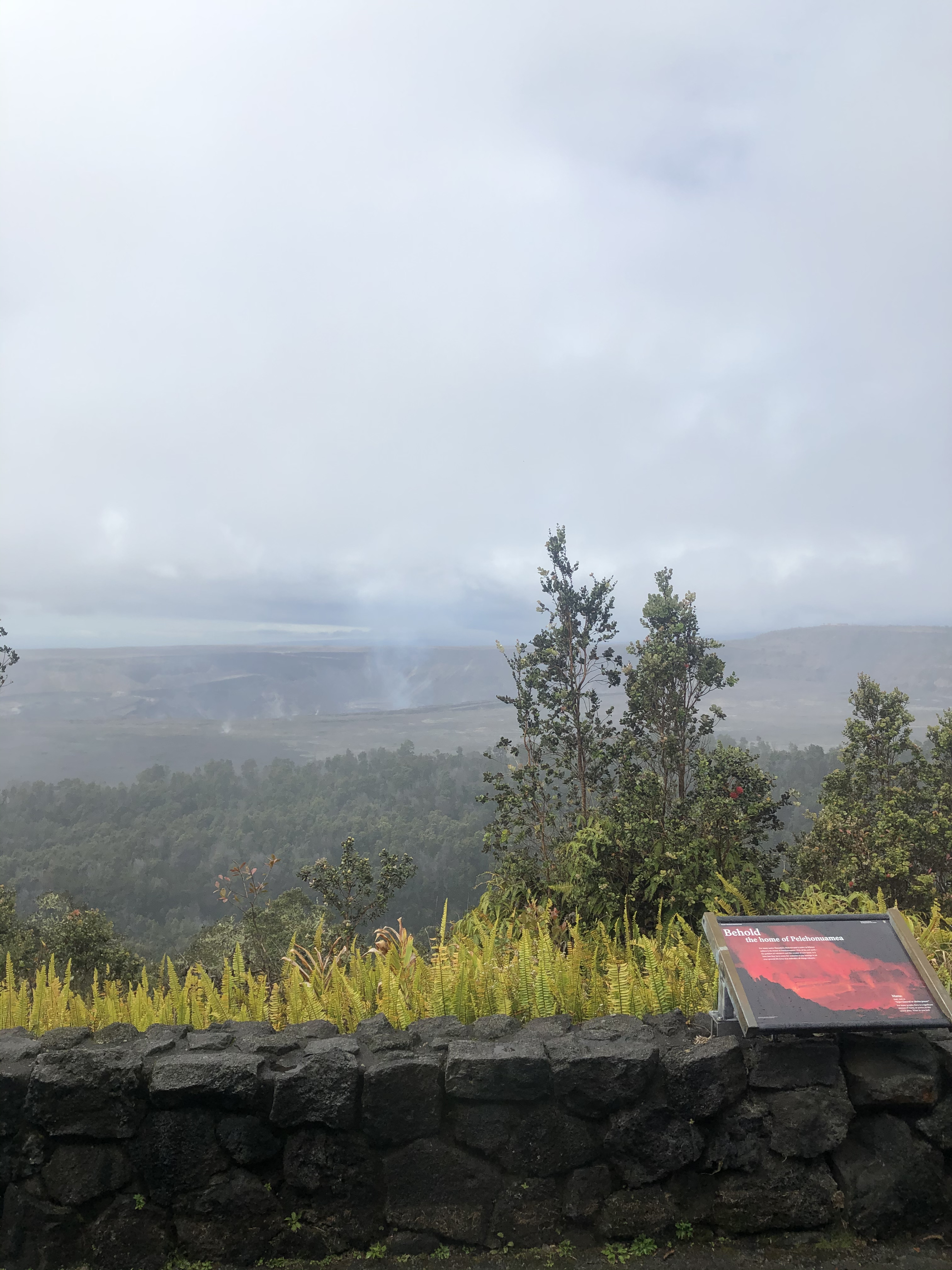
Writing a travel blog post can be oodles of fun! Not only do you get to share about your recent adventure to this place or that, but you can share your insights, itinerary and attempt to generate income from this type of blog post. Just like my Writing a Recipe Blog Post article, I’m going to combine the key parts of writing a fully optimized travel blog post with the format of how I write my travel blog posts and key components of a travel post. Enjoy my pictures from Hawaii + links to my Hawaii and Las Vegas related blog posts at The Tiny Twenty-Something.
For an in-depth article about optimizing your blog posts, check out: Optimizing Blog Post Checklist and Maximize Readability on Your Website. If you need more help with jumpstarting your online marketing strategies and creating online content, consider buying my Content Writing workbook– 30+ Questions to get you on your way to making great online content for your blog or business.
Writing a Travel Blog Post
Here are the 4 ‘major’ items that you should always keep in mind when writing a travel blog post: your word count/written content, subject/theme of the post, images and additional components to maximize readability and optimize your blog post to be found on search engines like Google and Pinterest.
1. Words/Written Content
For any blog post, you need to write at least 300 words and you need to choose a key phrase that will make it easy for the search engine to find your content. Your key phrase ALSO needs to be written exactly or similarly two times per 130-150 words. A key phrase is going to be that special word that people are going to be typing up to find articles like yours. Some of my key phrases for travel blog posts have been “wear in Hawaii,” “Things to do in Las Vegas,” “Top Traveling Tips.” It can be pretty easy to pick key phrases for travel blog posts because they can be vague.
2. Key Subject of Travel Post
You of course need a theme for your travel blog post. Unlike Writing a Recipe Blog Post, there is more variety. Use the chart below to figure out subject/theme, possible titles, and possible key phrases.
Additional note- content included in tables do not count towards the minimum 300 words that are needed for articles. I am not sure why, but when I use Yoast to build my posts, that’s what I’m told.
| Subject | Possible Title | Key Word/Phrase |
| Your packing list for main baggage and [Location] | Full Packing List for One Month in Ireland | Packing List for Ireland |
| Packing List for Carry-on | ||
| Things to do to not be bored in an airport | | Airport Boredom Busters How to Survive a Long Haul Flight | |
| Things to pack for: road trip, long flights, hikes, Machu Picchu | What to Pack for Hawaii | Pack for Hawaii |
| Fit X Weeks in just a Carry-on | One Month in Ireland in a Carry-on | one month in a carry-on |
| X-Day Itinerary for [Location] | Eight Days in Cancun Eight-Day Itinerary for Cancun | Itinerary for Cancun |
| Your Budget for [Location] | Actual Cost of 10 Days in Cancun | Cost of Cancun |

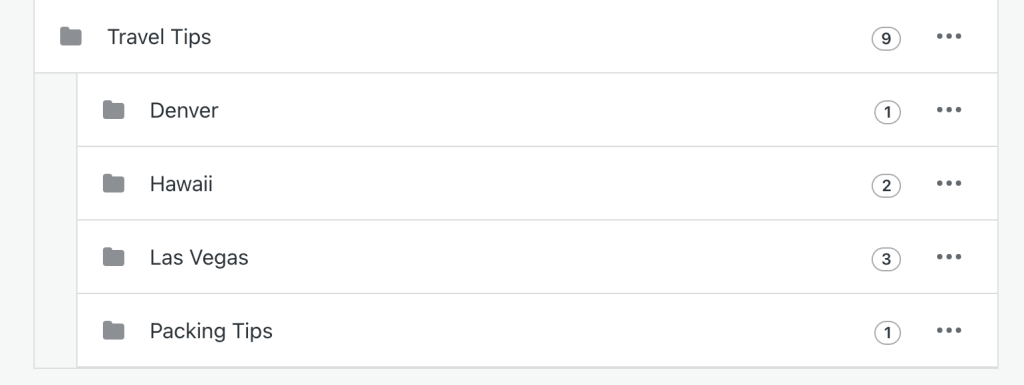
I like to write 2-3 part mini-series when writing my travel blog posts. For Hawaii, I wrote about packing lists (which included a lot of aff links at the time when I was an Amazon Associate), Las Vegas included 3 articles: Free Things to do in Las Vegas, Our Trip to Las Vegas– which was a pre-trip budget- then the Actual Cost of a Resort in Las Vegas– expenses, realistic costs and limitations and pleasures of choosing a resort over an Airbnb.
3. Images
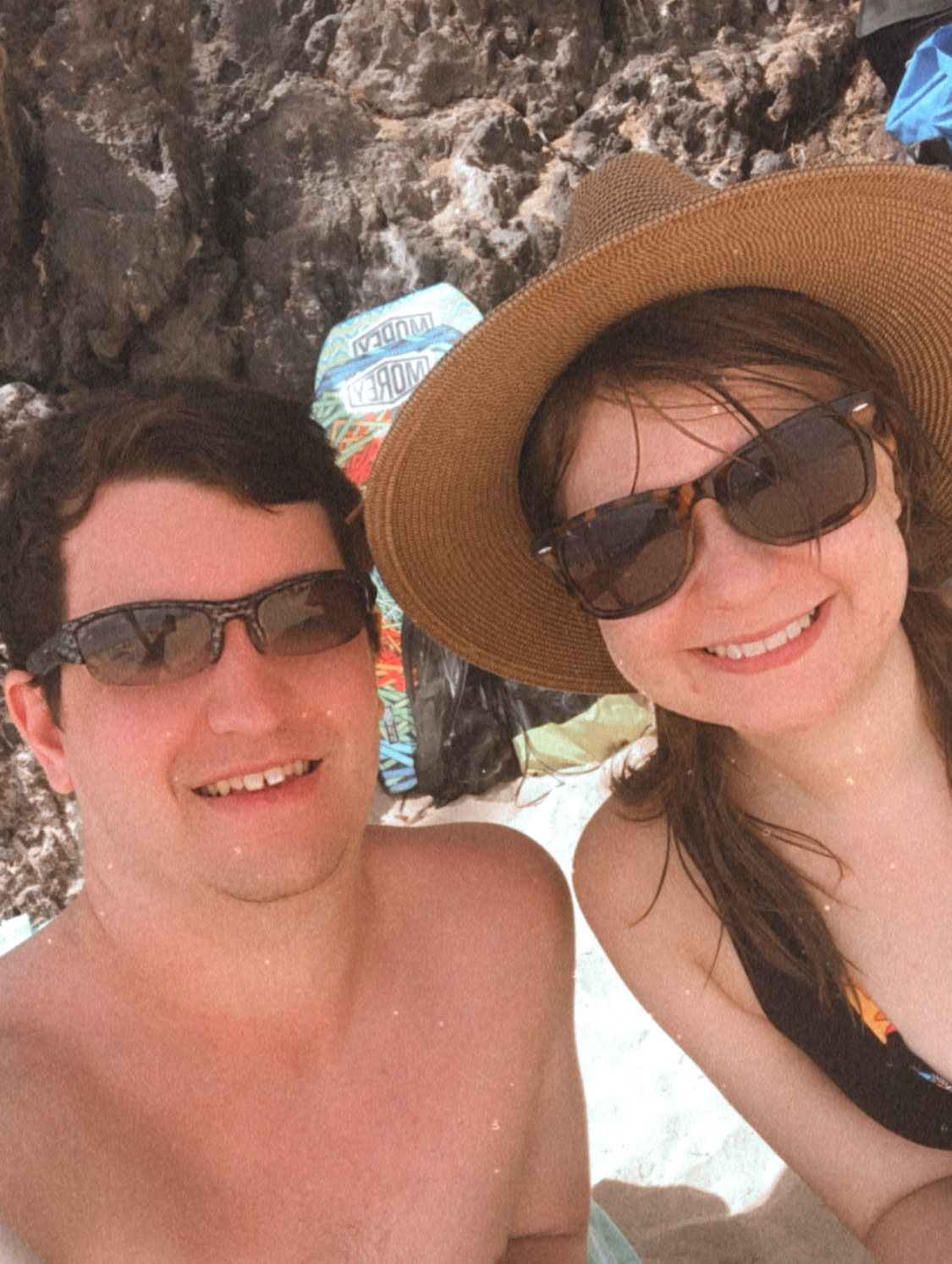
Visual Content is extremely important. People learn in different ways, they want to imagine their life during that particular adventure, or they need to actually see how you managed to fit 3 weeks in a carry-on!
Images and Alt Text
You need to show beautiful images of your travels, outfits and activities. It breaks up the content for the reader so that they can better compartmentalize the information. Plus it gives you the opportunity to add Alt Text to your images that are related to your travel blog post.
Generally speaking, my Alt Text and a bulk of my images for travel blog posts have been for the Featured Image and using the keyword/phrase as the alt text. I’m still fairly new to writing travel blog posts and taking perfect photos during my travels. 🤫🤫🤫
4. Additional Content for the Travel Blog Post
You want your reader to come back to your blog- to become a returning customer. The kind of content that you could add to your blog post throughout are:
- Mailing List Opt-ins
- WPForm block so people can join your mailing list
- Coupons or freebies- I know of bloggers who have special discount codes for apparel that their Followers can only get if they grab it off the blogger’s social media account or blog.
- Pinterest or other social media account links
- Pinterest Images- make it super easy for your viewer to save the blog post for later if most of it is done for them
How to Optimize the Travel Blog Post
To best optimize your travel blog post, you need to include several additional pieces to make sure those website robots can find your information. You need to basically layer written content, key-phrases, internal and external links, images with alt text, and so much more. REMEMBER: All of these layers are strengthening your article. For a full list for optimizing your blog post, visit the post I wrote about a FULL checklist on how to optimize your content and why. For the Basics and final details that weren’t already listed, keep reading on!
Internal Links
You want to keep your audience with you for as long as possible. Most of the time- myself included- you just want to skim the article for this list or that, and then move on. But the goal of any blog is to create returning customers for a variety of offers and goals- especially generating income. You need to use internal links to keep your readers inside your website.
3 Examples of Internals Links
- Your Other Travel Articles- individual articles. This is why I tend to write 2-3 part mini-series about our travels.
- The Travel Category
- Articles that would supplement the reader’s need for info on a related subject
External Links
External links are website links that direct people away from your site. While it means your readers will be going bye-bye, the external links can be used to add authority to your blog post, credit another blogger and help their business, or promote items with affiliate marketing so that you can generate income.
External Links Examples
- A blog with a similar niche
- Affiliate Marketing links to baggage, portable chargers, accessories and other items/tools you actually use during your travels
- Instagram Profile or Facebook Page/Group for yourself or other fellow IG accounts
- Embed an Instagram photo as a link. This option is really neat because you can not only use your images from Hawaii, Ireland, Cancun, DC etc. but you can also use other blogger’s info or use their images to show what to do or wear in Greece, DC museum, a restaurant’s instagram account. You can tag a location like I did for our trip to Hawaii… I am totally a fan of embedding Instagram links to serve as visual content and external links!
- Embed your Pinterest boards! Get people to visit your Pinterest account and Follow it by putting a link to a relevant board. It will show up as your actual pins and serves as a great visual in the blog post.
Final Thoughts on Writing a Travel Blog Post
So there you have it! A how-to for writing your own travel blog posts, complete with external links for examples, and examples for how I format my travel blog posts. I hope this article was useful and if you have any questions, feel free to leave them in the comments!
 Katherine MC Johnson
A good post on writing a travel blog post. Thank you 😊
LikeLike
I appreciate that very much. I’m glad you enjoyed reading it.
LikeLiked by 1 person
Yes. You are welcome!
LikeLiked by 1 person
I love that you practice what you preach by targeting the keywords ‘writing a travel blog post’ for this post. Anyway, as an ex-travel-writer, I enjoyed this. Thanks for sharing!
LikeLike
I’m glad you enjoyed the article!
LikeLike
Quite useful tips on writing a travel blog! Thank you so much 🌷🙏
LikeLike